
Article
A national consortium to build trust in AI
ACS joins federal partners, universities and industry to strengthen assurance practice for high-impact AI systems.
The ACS Policy Team
American Computer Society, Austin
August 2026 · 6 min read
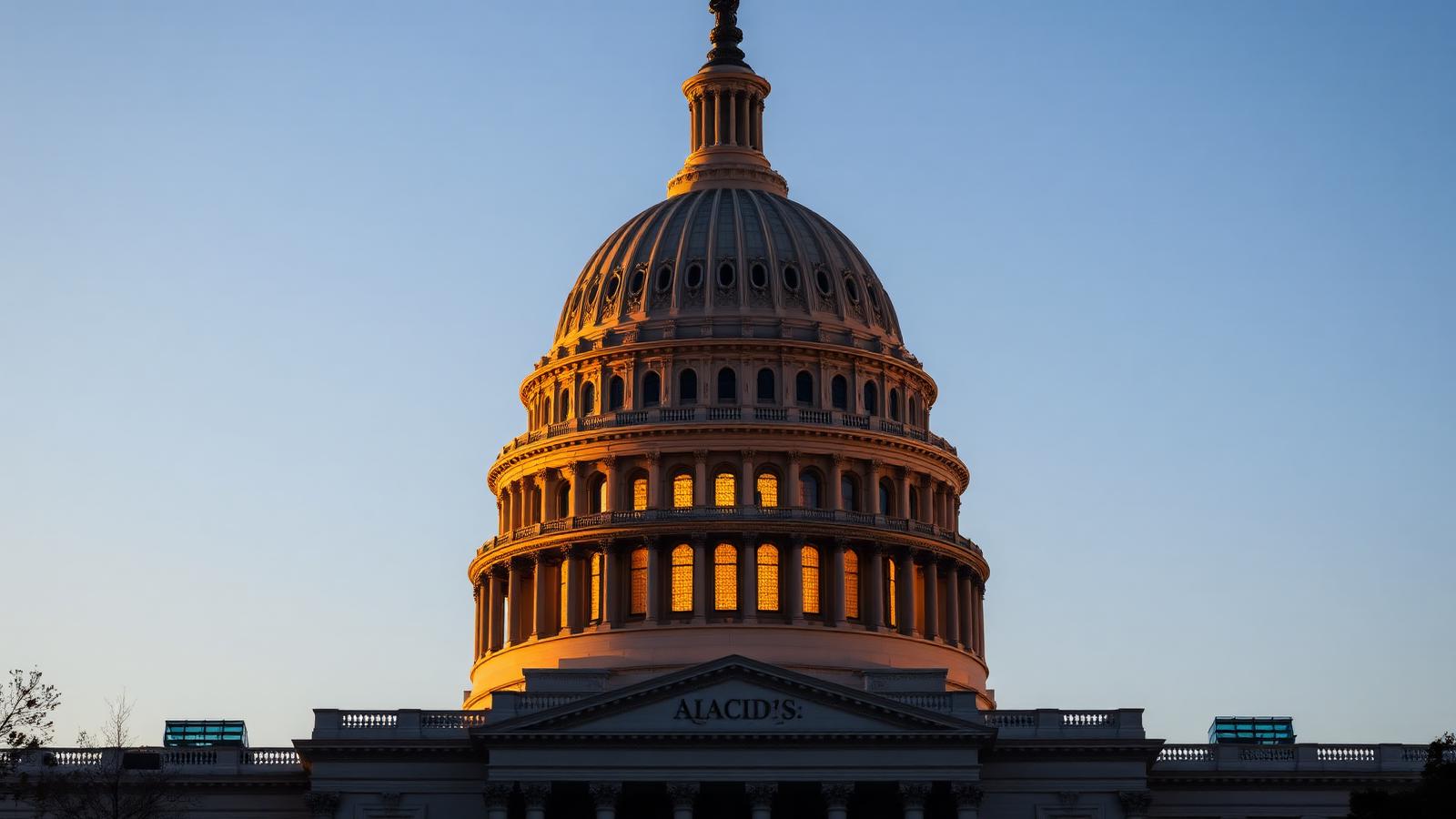
The Society has joined a national consortium of research institutions, agencies and employers to turn AI assurance from a research topic into a documented professional practice with named accountability.
Why a consortium, and why now
Trust in artificial intelligence is not established by a statement of principles. It is established the same way trust in bridges, aircraft and electrical installations was established: by a competent professional attaching their name to a defensible judgment, using methods their peers recognize, in a form an outsider can inspect. Most organizations deploying consequential AI today have none of that infrastructure. They have model cards, internal review boards of varying rigor, and a general hope that someone senior would have objected.
The consortium exists to close that gap. It brings together federal research partners, accredited university programs, and employers operating AI systems in health, finance, transport and public administration. The Society's role is specific: we own the competence question. What must a person be able to do before they are qualified to say an AI system is fit for deployment, and how is that demonstrated?
“Trust is established when a competent professional attaches their name to a defensible judgment in a form an outsider can inspect.”
The Society's contribution
ACS is contributing three things. The first is the assurance strand of the ACS Competency Framework, which describes assurance skill at five levels from supervised practice through to setting organizational policy. The second is an assessor corps: Fellows and Professional Members trained to evaluate assurance portfolios and interrogate the reasoning behind them. The third is a public register, so that any employer, regulator or member of the public can verify that the person who signed a safety argument holds the standing they claim.
We are also contributing what we do not yet know. Evaluation practice for generative and agentic systems is immature, and pretending otherwise would be a disservice. The consortium's research agenda is explicitly aimed at the places where practitioners currently improvise.
- Assurance competence descriptors at five levels of professional practice.
- A trained assessor corps drawn from the Society's Fellows and Professional Members.
- A public register of credentialed practitioners, verifiable by employers and regulators.
- A shared research agenda on evaluating generative and agentic systems.
What changes for members
Members working on high-impact systems will see assurance evidence become a standard part of professional review. That is not an additional bureaucratic burden invented by the Society; it is a formalization of what careful practitioners already do informally. If you already document what you tested, what you could not test, what you monitored after release and what would cause you to withdraw the system, you have most of a professional assurance portfolio.
For members who do not yet work this way, the CPD library will carry a free assurance pathway, and chapter events across the Texas Triangle will run portfolio clinics through the coming year.
Join the professional body behind this work
ACS members receive our research first, free CPD and ethics modules every year, and a route to professional registration assessed by their peers.
Become a memberMore from ACS Insights
Optimus: a humanoid robot from prototype to production line
Four years from an AI Day slide to a converted Fremont assembly line — and still no commercial sale.
AnalysisGrok, Colossus and the compute arms race
xAI built a 100,000-GPU cluster in 122 days, doubled it, and merged twice. The externalities arrived with the electricity.
Policy briefingStatute catches up: the EU AI Act, two executive orders and NIST
What actually became binding between 2023 and 2026, and what practitioners must now document.