
Analysis
Apple's M1 and the end of an x86 assumption
Apple's November 2020 launch of the M1 chip began the Mac's transition away from Intel, and signalled where computing architecture was heading.
Dr. Samuel Whitfield
Semiconductors Committee, American Computer Society
November 2020 · 6 min read
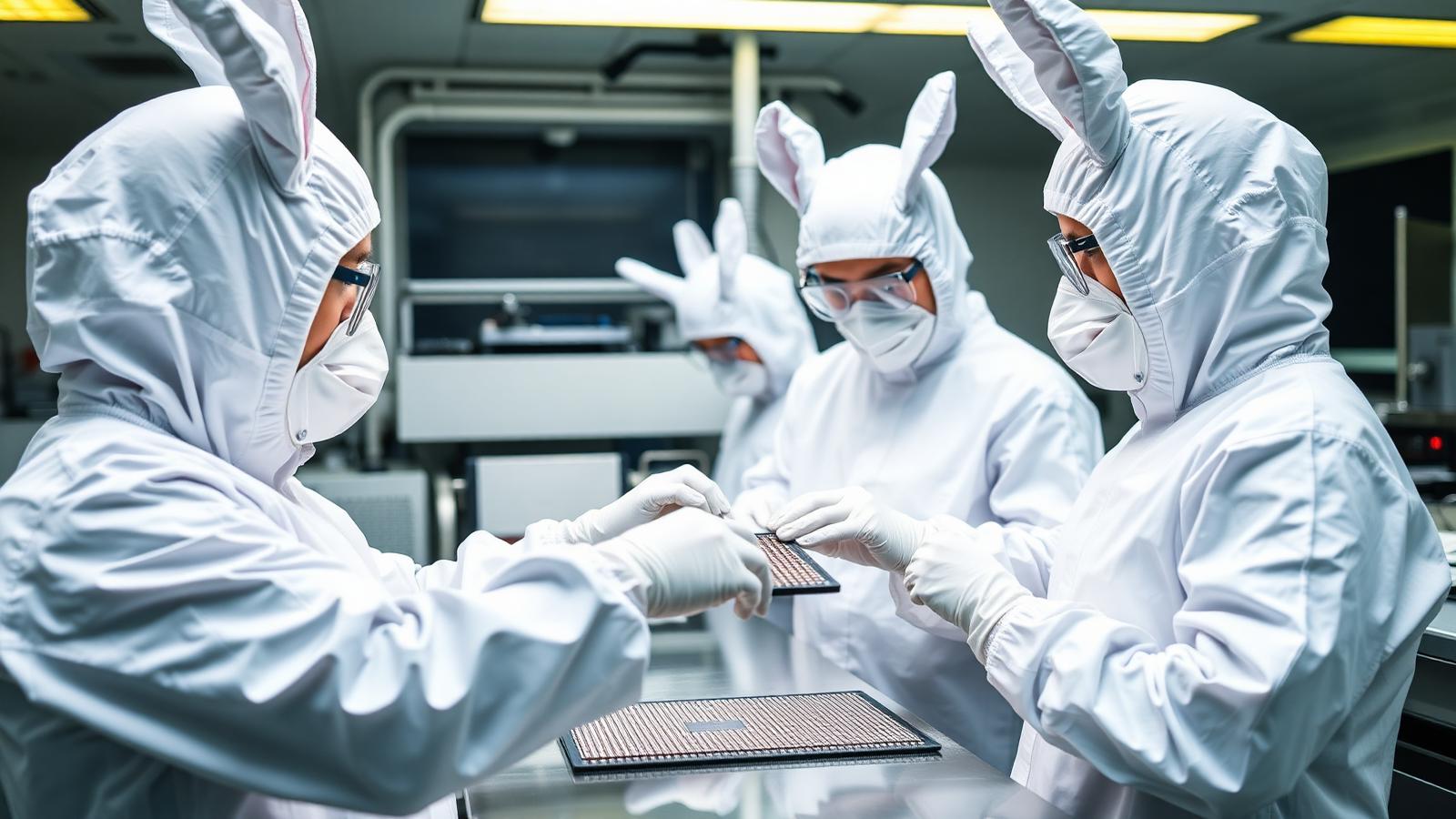
On 10 November 2020 Apple unveiled the M1, its first chip designed specifically for the Mac, beginning a transition away from the Intel processors that had powered Apple computers since 2006.
A third architecture transition
On 10 November 2020 Apple announced the M1 system-on-chip and introduced the first Macs to use it: a redesigned MacBook Air, a 13-inch MacBook Pro and the Mac mini. M1 was built on Arm's instruction set architecture rather than the x86 architecture Intel had supplied since Apple's last major transition in 2006.
This was Apple's third fundamental architecture shift for the Mac, following the move from Motorola's 68k processors to PowerPC and from PowerPC to Intel. Each transition required compatibility tooling — this time centred on Rosetta 2, a binary translator allowing existing x86 Mac software to run on Arm-based hardware.
Early independent benchmarks in late 2020 showed the M1 delivering strong performance per watt compared with contemporaneous Intel laptop chips, aided by a unified memory architecture and manufacturing on TSMC's 5-nanometre process.
“The M1 was not just a faster chip; it was proof that the x86 default many engineers never questioned was never inevitable.”
Why architecture choices matter beyond specs
The M1 launch mattered to the wider industry because it validated, at consumer scale, an argument Arm and its licensees had been making for years: that custom, tightly integrated system-on-chip designs could outperform general-purpose x86 processors for many real-world workloads, particularly where power efficiency mattered.
For software engineers the transition required renewed attention to portability — recompiling for a new instruction set, handling floating-point and threading differences, and testing performance-critical code on unfamiliar silicon. Developers who had treated x86 as a permanent foundation had to relearn old lessons about writing architecture-independent code.
A signal for the rest of computing
The M1's success helped accelerate interest in Arm-based server and cloud chips, an area where Amazon's Graviton processors, first introduced in 2018, had already begun demonstrating similar efficiency arguments in data centres.
By the end of 2020 the consensus that x86 was the default architecture for general-purpose personal computing had been meaningfully challenged for the first time in over a decade.
The Society's position
The Society encourages the profession to treat architecture transitions as periodic, not exceptional, and to build software practices resilient to them.
- Maintain CPD in cross-architecture development, compilation and performance testing.
- Avoid hard-coded assumptions about processor architecture in long-lived codebases.
- Evaluate power efficiency alongside raw performance when advising on hardware procurement.
- Track vertically integrated hardware-software design as a growing competitive and educational priority.
Join the professional body behind this work
ACS members receive our research first, free CPD and ethics modules every year, and a route to professional registration assessed by their peers.
Become a memberMore from ACS Insights
Optimus: a humanoid robot from prototype to production line
Four years from an AI Day slide to a converted Fremont assembly line — and still no commercial sale.
AnalysisGrok, Colossus and the compute arms race
xAI built a 100,000-GPU cluster in 122 days, doubled it, and merged twice. The externalities arrived with the electricity.
ArticleA national consortium to build trust in AI
ACS joins federal partners, universities and industry to strengthen assurance practice for high-impact AI systems.