
Report
From Cortex to robotaxi: Austin's driverless year
A 50,000-GPU cluster at Giga Texas, ten cars in June 2025, and a metro-wide geofence a year later.
Dr. Lena Ortiz FACS
Chair, ACS Specialist Group on Autonomy and Robotics
July 2026 · 7 min read
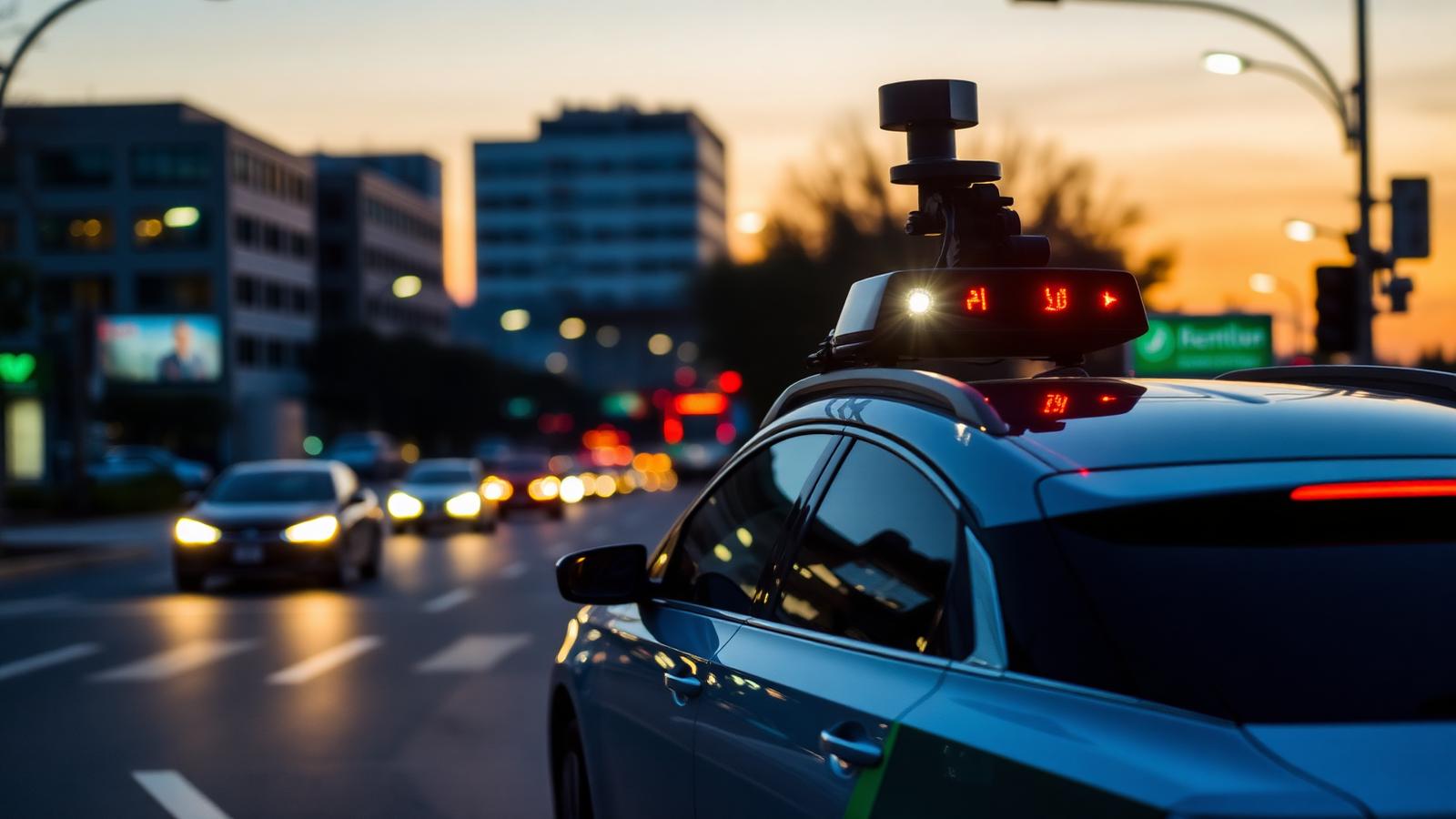
Austin became the test bed for the most closely watched autonomy deployment in the United States. The interesting numbers are not the geofence's size but the fleet's.
The training cluster
Musk unveiled the Cortex AI training cluster at Giga Texas on 26 August 2024, describing it as potentially one of the largest in the world. Reporting has put it at roughly 50,000 NVIDIA H100 GPUs, fully live in the fourth quarter of 2024, with images of the completed installation shared at the end of January 2025.
The physical adjacency matters. Placing the training cluster at the factory that builds the vehicles shortens the loop between fleet data collection, retraining and deployment — and concentrates a very large electrical load at a single Central Texas interconnection point.
“Geofence area is a marketing metric. Exposure and normalised event rates are the metrics a safety case runs on.”
The pilot
Tesla launched its robotaxi pilot in Austin on 22 June 2025 with approximately ten Model Y vehicles carrying invited riders within a limited geofence. A human safety monitor sat in the front passenger seat rather than the driver's seat, with no one behind the wheel. Notably, Texas's autonomous vehicle law signed that year did not take effect until September 2025, so the launch preceded the state's new framework.
In January 2026 Tesla was reported to have begun offering rides in Austin without a safety monitor for the first time. By 3 June 2026 the geofence had been extended across the entire Austin metropolitan area, with the unsupervised fleet reported at roughly twenty vehicles. Tesla has not published ride volumes, disengagement data or crash rates for the programme.
- 26 Aug 2024 — Cortex cluster unveiled at Giga Texas; reported ~50,000 H100 GPUs.
- 22 June 2025 — robotaxi pilot launches in Austin, ~10 vehicles, front-seat safety monitors.
- Sept 2025 — Texas autonomous vehicle law takes effect, after the launch.
- Jan 2026 — first reported rides without a safety monitor.
- 3 June 2026 — geofence extended metro-wide; ~20 unsupervised vehicles reported.
What the profession should ask for
Geofence area is a marketing metric. The metrics that support a safety case are exposure — vehicle miles by road type, time of day and weather — together with the rate and severity of safety-relevant events normalised against a human baseline drawn from the same operating design domain.
ACS's position, consistent with our guidance on certifying remote operators, is that any operator running driverless vehicles on public roads should publish those exposure and event figures on a fixed cadence, and that the people who authorise a release to public service should be named, competent and personally accountable. Austin is where the American precedent for that expectation is being set.
Join the professional body behind this work
ACS members receive our research first, free CPD and ethics modules every year, and a route to professional registration assessed by their peers.
Become a memberMore from ACS Insights
Optimus: a humanoid robot from prototype to production line
Four years from an AI Day slide to a converted Fremont assembly line — and still no commercial sale.
AnalysisGrok, Colossus and the compute arms race
xAI built a 100,000-GPU cluster in 122 days, doubled it, and merged twice. The externalities arrived with the electricity.
ArticleA national consortium to build trust in AI
ACS joins federal partners, universities and industry to strengthen assurance practice for high-impact AI systems.