
Report
The Texas migration: Starbase, Giga Texas and two headquarters moves
How three companies consolidated their corporate and engineering centres of gravity in Texas.
Marcus Whitfield MACS
Director of Membership, American Computer Society
June 2025 · 6 min read
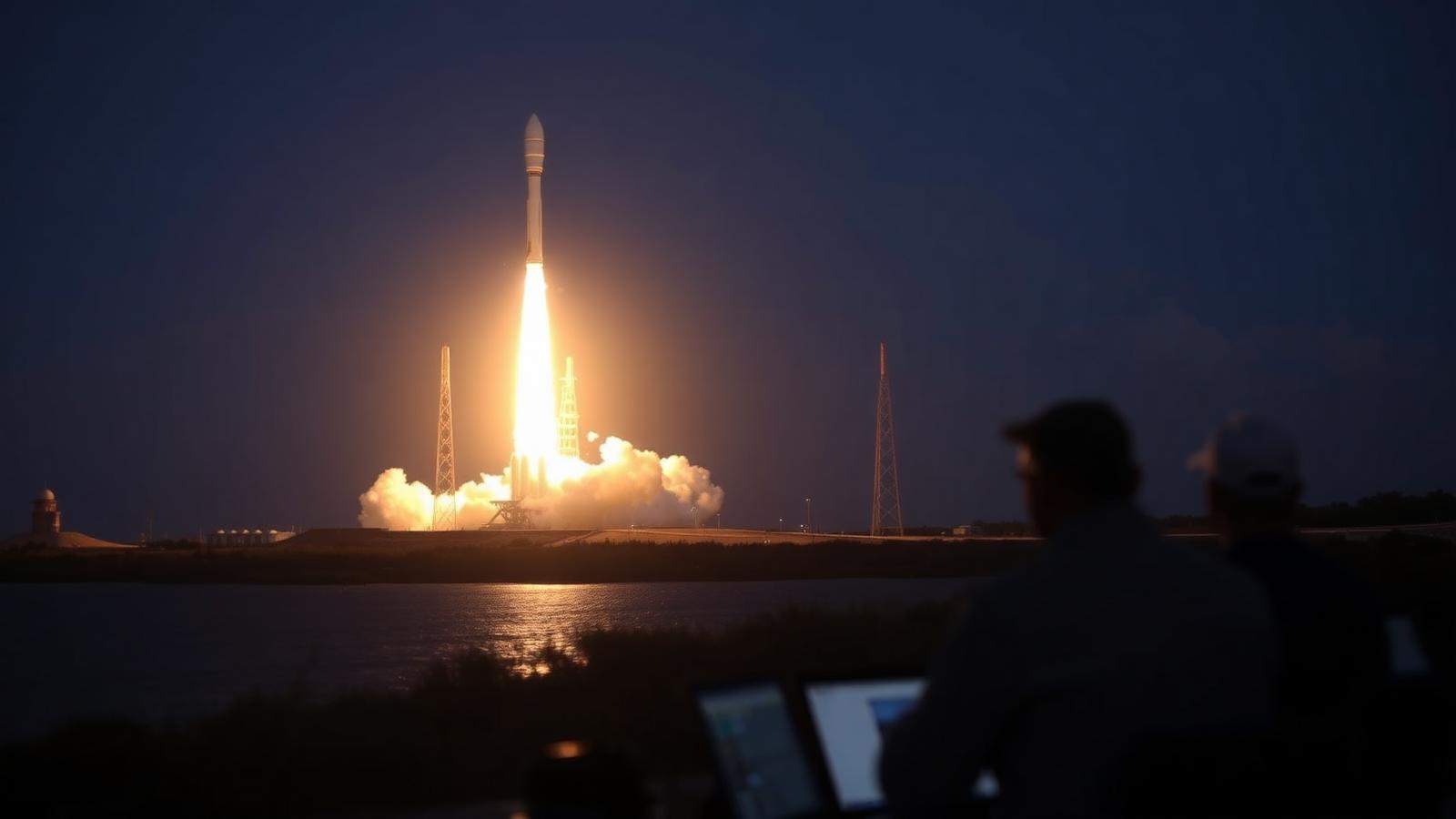
A rocket company incorporated its own city, a car company doubled a factory that is already among the largest buildings in the world, and a social network changed states. The engineering consequences outlast the politics.
The announcements
On 16 July 2024 Elon Musk announced that the headquarters of SpaceX and X would move from California to Texas. In mid-December 2024 SpaceX petitioned Cameron County for the incorporation of Starbase, Texas as a city near Brownsville, and on 13 December 2024 Musk stated that SpaceX's headquarters would be based there. The incorporation was approved by referendum on 3 May 2025 — 212 votes to 6 among roughly 280 eligible residents, most of them connected to the company — with official status certified later that month.
Tesla's corporate headquarters had already moved from Palo Alto to Austin in 2021. In late October 2024 the company filed Texas permits to expand Gigafactory Texas by more than 5.2 million square feet, roughly doubling a site Tesla describes as its global headquarters: 2,500 acres and, with the expansion, over ten million square feet of factory floor producing Model Y and Cybertruck.
“Where employer and civic authority coincide, the ordinary external checks on engineering judgement are weaker.”
What a company town means for practice
Starbase is a genuine novelty in American industrial geography: a municipality whose electorate is substantially its principal employer's workforce. The Society takes no position on the politics of that arrangement, but it does have a professional interest in one consequence. Where employer and civic authority coincide, the ordinary external checks on engineering judgement — permitting authorities, independent inspectors, local press — are weaker.
The ACS Code of Conduct requires members to have regard for the public interest, and it is precisely in settings where institutional checks are thin that the individual duty carries the most weight. Members working in such environments should ensure dissent is recorded in writing, and should know which external professional body they can consult when an internal escalation path closes.
Regional effects
The Gigafactory expansion filing came roughly six months after Tesla reduced its global workforce by ten percent in spring 2024, a reminder that capital expansion and headcount do not track one another in highly automated manufacturing.
For Austin, the practical effect of these moves is a deep local market in embedded systems, manufacturing automation, computer vision and flight software — a set of specialisms that were thinly represented in the metro a decade ago and now support their own chapters, assessor panels and recruitment pipelines.
Join the professional body behind this work
ACS members receive our research first, free CPD and ethics modules every year, and a route to professional registration assessed by their peers.
Become a memberMore from ACS Insights
Optimus: a humanoid robot from prototype to production line
Four years from an AI Day slide to a converted Fremont assembly line — and still no commercial sale.
AnalysisGrok, Colossus and the compute arms race
xAI built a 100,000-GPU cluster in 122 days, doubled it, and merged twice. The externalities arrived with the electricity.
ArticleA national consortium to build trust in AI
ACS joins federal partners, universities and industry to strengthen assurance practice for high-impact AI systems.