
Analysis
TensorFlow and the democratisation of machine learning
Google's decision to open-source TensorFlow in November 2015 put production-grade machine learning tools into the hands of any developer, raising new questions of competence and responsibility.
Helena Cross
Artificial Intelligence Correspondent, American Computer Society
November 2015 · 6 min read
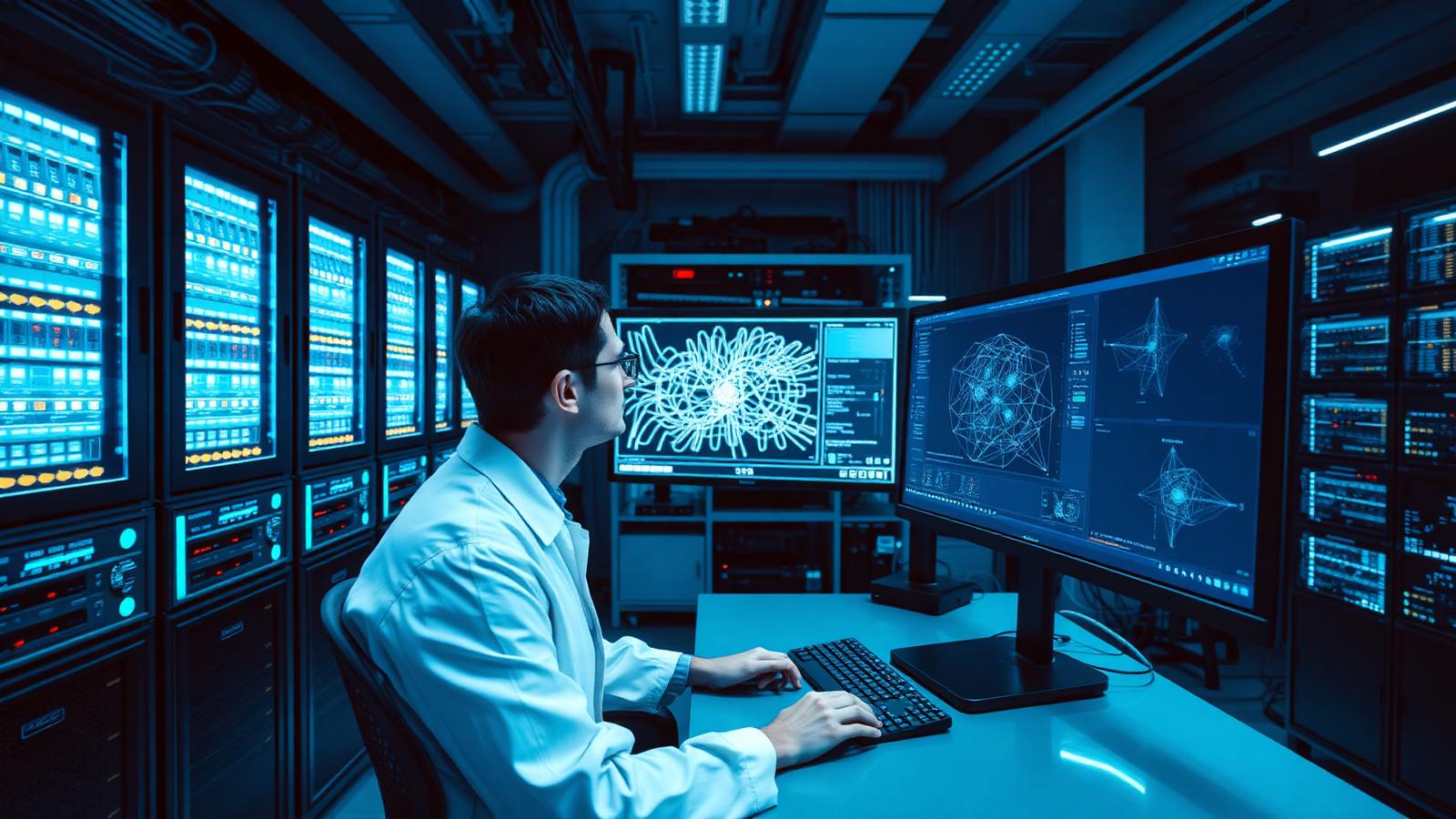
When Google released TensorFlow as open-source software on 9 November 2015, it handed the wider profession machine learning infrastructure previously reserved for a handful of research labs — and with it, a new obligation to build and use these tools responsibly.
From internal tool to public infrastructure
On 9 November 2015 Google announced that it was open-sourcing TensorFlow, the machine learning system its engineers had built to power products including Google Photos search, speech recognition and the newly launched Smart Reply feature in Inbox. Jeff Dean and Rajat Monga of Google Brain framed the release as a way to accelerate machine learning research and application by sharing infrastructure the company had previously kept proprietary.
TensorFlow succeeded an earlier internal system, DistBelief, and was designed to run across a wide range of hardware, from mobile phones to large server clusters, using a flexible dataflow graph model suitable for both research experimentation and production deployment.
“Open-sourcing TensorFlow put Google-grade machine learning tools into any developer's hands — but tooling access is not the same as professional competence.”
Lowering the barrier to entry
Before TensorFlow's release, building and training deep neural networks at scale required infrastructure and expertise concentrated in a small number of well-resourced labs. Open-sourcing removed that barrier: any developer with sufficient hardware and a working knowledge of Python could build, train and deploy neural networks using the same tooling as Google's own engineers.
The release catalysed a rapid expansion of applied machine learning across industries — healthcare imaging, agriculture, finance — well beyond the natural-language and search applications for which it was originally built, and helped establish Python-based deep learning frameworks as a standard part of the software engineering toolkit.
- TensorFlow released under the Apache 2.0 licence on 9 November 2015.
- Announced by Jeff Dean and Rajat Monga of Google Brain.
- Successor to Google's internal DistBelief machine learning system.
Capability without guaranteed competence
The democratisation of machine learning tooling was, and remains, double-edged. Making sophisticated model-building accessible to any developer dramatically expanded who could build predictive systems, but it did not by itself expand the statistical literacy, bias-awareness or validation discipline needed to deploy those systems responsibly.
In the years following, this gap became increasingly visible: production systems deployed with insufficient testing for bias, poor understanding of model limitations, or an absence of monitoring for drift once real-world data diverged from training data — problems of professional competence rather than of the underlying tools.
What the Society recommends
The Society regards the open-sourcing of tools like TensorFlow as a net gain for the profession, provided it is accompanied by parallel investment in skills and standards.
- Ensure practitioners deploying machine learning hold demonstrable competence in statistics, bias evaluation and model validation, not merely tooling familiarity.
- Support continuing professional development in applied machine learning as tooling accessibility outpaces formal training.
- Establish organisational review processes for models used in decisions affecting the public, comparable to code review.
- Encourage open-source contribution as a public good, while insisting that accessibility does not substitute for accountability.
Join the professional body behind this work
ACS members receive our research first, free CPD and ethics modules every year, and a route to professional registration assessed by their peers.
Become a memberMore from ACS Insights
Optimus: a humanoid robot from prototype to production line
Four years from an AI Day slide to a converted Fremont assembly line — and still no commercial sale.
AnalysisGrok, Colossus and the compute arms race
xAI built a 100,000-GPU cluster in 122 days, doubled it, and merged twice. The externalities arrived with the electricity.
ArticleA national consortium to build trust in AI
ACS joins federal partners, universities and industry to strengthen assurance practice for high-impact AI systems.